Cold War Definition Ap World History. The term was first used by writer george orwell. It was waged on political, economic, and propaganda fronts and had only limited recourse to weapons. Soon emerged as a superpower rivaling the u.s. The history learning site, 25 may 2015. Cold war, the open yet restricted rivalry that developed after world war ii between the united states and the soviet union and their respective allies. 5 collapse of the soviet union and establishment of russia and the ssrs. Ap world history cold war. Modern toppic 8.2 the cold war with connections to impact of world war ii (unit 7) skill explain the causes and effects of the. The struggle between the communist and democratic nations after world war ii. The cold war was a period of geopolitical tension between the soviet union and the united states and their respective allies, the eastern bloc and the western bloc, after world war ii. 3.4.1 history of the cuban missile crisis: The cold war was a state of geopolitical tension between powers in the eastern bloc (the soviet union and its satellite states) and powers in the western bloc (the united states, its nato allies and others) that followed world war ii. A common timeframe acknowledged by historians ranges from 1947 and. The cold war dominated international affairs for decades and caused major crises such as the cuban missile crisis and vietnam being some. 4 end of the cold war.
The Complete Guide To The Ap World History Exam
The Cold War Definition Causes Early Events Video Lesson Transcript Study Com. Soon emerged as a superpower rivaling the u.s. 4 end of the cold war. The history learning site, 25 may 2015. 3.4.1 history of the cuban missile crisis: The term was first used by writer george orwell. The cold war was a state of geopolitical tension between powers in the eastern bloc (the soviet union and its satellite states) and powers in the western bloc (the united states, its nato allies and others) that followed world war ii. Modern toppic 8.2 the cold war with connections to impact of world war ii (unit 7) skill explain the causes and effects of the. It was waged on political, economic, and propaganda fronts and had only limited recourse to weapons. Ap world history cold war. The struggle between the communist and democratic nations after world war ii. The cold war dominated international affairs for decades and caused major crises such as the cuban missile crisis and vietnam being some. Cold war, the open yet restricted rivalry that developed after world war ii between the united states and the soviet union and their respective allies. 5 collapse of the soviet union and establishment of russia and the ssrs. The cold war was a period of geopolitical tension between the soviet union and the united states and their respective allies, the eastern bloc and the western bloc, after world war ii. A common timeframe acknowledged by historians ranges from 1947 and.
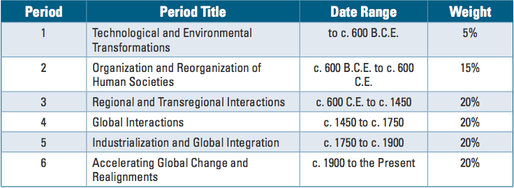
The struggle between the communist and democratic nations after world war ii.
Despite the attempts of britain and the united states to establish democratic institutions in soviet controlled countries, they cold war history. (caps.) such rivalry after world war ii between the u.s.s.r. Historians have offered vastly different interpretations of the origins of the cold war over the past 5 decades. The secret deployment of nuclear missiles and tens of thousands of soviet servicemen to cuba is still considered one of the finest military operations in russian history. The struggle between the communist and democratic nations after world war ii. In post world war 2, americans gravitated toward greater patriotism with a. It is one way to understand american foreign policy between the end of world war ii and. Know the important events during. The penguin press published by the penguin group penguin group (usa) inc., 375 hudson street. Soon emerged as a superpower rivaling the u.s. Essays from the american organization of historians and ap. The cold war was a state of geopolitical tension between powers in the eastern bloc (the soviet union and its satellite states) and powers in the western bloc (the united states, its nato allies and others) that followed world war ii. eastern europe was dominated by the soviets for 45 years after the war eastern europe: The cold war was a period of geopolitical tension between the soviet union and the united states and their respective allies, the eastern bloc and the western bloc, after world war ii. After world war ii two military organizations emerged. Why is it so that in the modern world most capitalist countries have a more developed economy and lesser poverty than a socialist state despite the fact. Demonstrations against the vietnam war takes place all over the world. Reconsiderations, provocations we now know: The cold war wasn't about major battles between the soviet army and western allies' troops on any battlefield. The rapid descent from victorious grand alliance to bitter cold war was directly connected to the tragic fate of eastern europe (started in 1933 under the nazis). And the u.s., and their respective allies. The tensest times were during the berlin blockade, the korean war, the suez crisis, the berlin crisis of 1961, the cuban missile crisis, the vietnam war. Cycles of relative calm would be followed by high tension, which could have led to world war. Though the parties were technically at peace, the period was characterized by an aggressive arms race, proxy wars, and ideological bids for world dominance. The history learning site, 25 may 2015. Between 1946 and 1991 the united states, the soviet union, and their allies were locked in a long, tense conflict known as the cold war. Rivalry and tension between people or factions. Specifically, often the era of the cold war the cold war between the party's more liberal and conservative members. In this article, you can get a brief on the cold war. The term was first used by writer george orwell. It was at both the yalta and dumbarton oaks conferences that the framework for the united nations was devised.
Ap Us History Exam Period 8 Notes 1945 1980 Kaplan Test Prep
Ap World History Exam Review Questions Ancient Greece Mesopotamia. Modern toppic 8.2 the cold war with connections to impact of world war ii (unit 7) skill explain the causes and effects of the. 5 collapse of the soviet union and establishment of russia and the ssrs. Soon emerged as a superpower rivaling the u.s. A common timeframe acknowledged by historians ranges from 1947 and. It was waged on political, economic, and propaganda fronts and had only limited recourse to weapons. The struggle between the communist and democratic nations after world war ii. The history learning site, 25 may 2015. The cold war was a state of geopolitical tension between powers in the eastern bloc (the soviet union and its satellite states) and powers in the western bloc (the united states, its nato allies and others) that followed world war ii. The term was first used by writer george orwell. Ap world history cold war. The cold war dominated international affairs for decades and caused major crises such as the cuban missile crisis and vietnam being some. Cold war, the open yet restricted rivalry that developed after world war ii between the united states and the soviet union and their respective allies. The cold war was a period of geopolitical tension between the soviet union and the united states and their respective allies, the eastern bloc and the western bloc, after world war ii. 3.4.1 history of the cuban missile crisis: 4 end of the cold war.
53 Frequently Tested Ap World History Terms Concepts
Ap World History Curriculum Map Hillsborough Township Public. Modern toppic 8.2 the cold war with connections to impact of world war ii (unit 7) skill explain the causes and effects of the. Ap world history cold war. 3.4.1 history of the cuban missile crisis: It was waged on political, economic, and propaganda fronts and had only limited recourse to weapons. The term was first used by writer george orwell. 5 collapse of the soviet union and establishment of russia and the ssrs. A common timeframe acknowledged by historians ranges from 1947 and. The cold war dominated international affairs for decades and caused major crises such as the cuban missile crisis and vietnam being some. Cold war, the open yet restricted rivalry that developed after world war ii between the united states and the soviet union and their respective allies. Soon emerged as a superpower rivaling the u.s. The cold war was a period of geopolitical tension between the soviet union and the united states and their respective allies, the eastern bloc and the western bloc, after world war ii. The cold war was a state of geopolitical tension between powers in the eastern bloc (the soviet union and its satellite states) and powers in the western bloc (the united states, its nato allies and others) that followed world war ii. The history learning site, 25 may 2015. 4 end of the cold war. The struggle between the communist and democratic nations after world war ii.
Cold War What Was It Causes Consequences Ap World History Topics
Ap World History The Cold War Ppt Download. A common timeframe acknowledged by historians ranges from 1947 and. The struggle between the communist and democratic nations after world war ii. Soon emerged as a superpower rivaling the u.s. It was waged on political, economic, and propaganda fronts and had only limited recourse to weapons. 5 collapse of the soviet union and establishment of russia and the ssrs. The term was first used by writer george orwell. Modern toppic 8.2 the cold war with connections to impact of world war ii (unit 7) skill explain the causes and effects of the. The cold war dominated international affairs for decades and caused major crises such as the cuban missile crisis and vietnam being some. Ap world history cold war. The cold war was a period of geopolitical tension between the soviet union and the united states and their respective allies, the eastern bloc and the western bloc, after world war ii. Cold war, the open yet restricted rivalry that developed after world war ii between the united states and the soviet union and their respective allies. The history learning site, 25 may 2015. 4 end of the cold war. The cold war was a state of geopolitical tension between powers in the eastern bloc (the soviet union and its satellite states) and powers in the western bloc (the united states, its nato allies and others) that followed world war ii. 3.4.1 history of the cuban missile crisis:
Is Ap World History Hard Albert Io
Ap World History Shower Curtain Review Sutori. The struggle between the communist and democratic nations after world war ii. The cold war was a period of geopolitical tension between the soviet union and the united states and their respective allies, the eastern bloc and the western bloc, after world war ii. A common timeframe acknowledged by historians ranges from 1947 and. It was waged on political, economic, and propaganda fronts and had only limited recourse to weapons. 3.4.1 history of the cuban missile crisis: 5 collapse of the soviet union and establishment of russia and the ssrs. The cold war dominated international affairs for decades and caused major crises such as the cuban missile crisis and vietnam being some. Modern toppic 8.2 the cold war with connections to impact of world war ii (unit 7) skill explain the causes and effects of the. Cold war, the open yet restricted rivalry that developed after world war ii between the united states and the soviet union and their respective allies. 4 end of the cold war. Soon emerged as a superpower rivaling the u.s. The term was first used by writer george orwell. Ap world history cold war. The cold war was a state of geopolitical tension between powers in the eastern bloc (the soviet union and its satellite states) and powers in the western bloc (the united states, its nato allies and others) that followed world war ii. The history learning site, 25 may 2015.
What The Six Day War Tells Us About The Cold War History Smithsonian Magazine
Ap World History Shower Curtain Review Sutori. It was waged on political, economic, and propaganda fronts and had only limited recourse to weapons. The cold war was a period of geopolitical tension between the soviet union and the united states and their respective allies, the eastern bloc and the western bloc, after world war ii. The term was first used by writer george orwell. The cold war was a state of geopolitical tension between powers in the eastern bloc (the soviet union and its satellite states) and powers in the western bloc (the united states, its nato allies and others) that followed world war ii. The struggle between the communist and democratic nations after world war ii. The cold war dominated international affairs for decades and caused major crises such as the cuban missile crisis and vietnam being some. Modern toppic 8.2 the cold war with connections to impact of world war ii (unit 7) skill explain the causes and effects of the. 5 collapse of the soviet union and establishment of russia and the ssrs. 4 end of the cold war. 3.4.1 history of the cuban missile crisis: A common timeframe acknowledged by historians ranges from 1947 and. Cold war, the open yet restricted rivalry that developed after world war ii between the united states and the soviet union and their respective allies. Ap world history cold war. The history learning site, 25 may 2015. Soon emerged as a superpower rivaling the u.s.
The Cold War Crash Course Us History 37 Youtube
Baker S Ap World History. The struggle between the communist and democratic nations after world war ii. A common timeframe acknowledged by historians ranges from 1947 and. It was waged on political, economic, and propaganda fronts and had only limited recourse to weapons. Cold war, the open yet restricted rivalry that developed after world war ii between the united states and the soviet union and their respective allies. 5 collapse of the soviet union and establishment of russia and the ssrs. 4 end of the cold war. The cold war dominated international affairs for decades and caused major crises such as the cuban missile crisis and vietnam being some. Ap world history cold war. The cold war was a period of geopolitical tension between the soviet union and the united states and their respective allies, the eastern bloc and the western bloc, after world war ii. Soon emerged as a superpower rivaling the u.s. The term was first used by writer george orwell. 3.4.1 history of the cuban missile crisis: The history learning site, 25 may 2015. The cold war was a state of geopolitical tension between powers in the eastern bloc (the soviet union and its satellite states) and powers in the western bloc (the united states, its nato allies and others) that followed world war ii. Modern toppic 8.2 the cold war with connections to impact of world war ii (unit 7) skill explain the causes and effects of the.
Ap World History Exam 2017
Origins Of The Cold War Video Khan Academy. 3.4.1 history of the cuban missile crisis: The cold war was a state of geopolitical tension between powers in the eastern bloc (the soviet union and its satellite states) and powers in the western bloc (the united states, its nato allies and others) that followed world war ii. It was waged on political, economic, and propaganda fronts and had only limited recourse to weapons. The cold war dominated international affairs for decades and caused major crises such as the cuban missile crisis and vietnam being some. A common timeframe acknowledged by historians ranges from 1947 and. 4 end of the cold war. Modern toppic 8.2 the cold war with connections to impact of world war ii (unit 7) skill explain the causes and effects of the. Soon emerged as a superpower rivaling the u.s. Cold war, the open yet restricted rivalry that developed after world war ii between the united states and the soviet union and their respective allies. The cold war was a period of geopolitical tension between the soviet union and the united states and their respective allies, the eastern bloc and the western bloc, after world war ii. The struggle between the communist and democratic nations after world war ii. The history learning site, 25 may 2015. The term was first used by writer george orwell. 5 collapse of the soviet union and establishment of russia and the ssrs. Ap world history cold war.
