What Were The Cold War Fears. So called because it did not include direct military confrontation between soviet and u.s. These hopes were tainted by fears of economic hardship, as many who experienced the great depression feared a return to economic decline. Troops, the cold war was fought with a variety of other. Eisenhower made various foreign policies but none were able to capture nor reduce the fears of americans of communism infiltration. Their fears were of what the kremlin men would do to the people around them, what the investigators would do to them while trying to combat subversion, depression, and a massive loss of cold war propaganda helped further entrench the military as one of the major industrial powers in the country. The term was first used by the english writer the conflict showed that both superpowers were wary of using their nuclear weapons against each other for fear of mutual atomic annihilation. The cold war was a period of geopolitical tension between the soviet union and the united states and their respective allies, the eastern bloc and the western bloc, after world war ii. The cold war rivalry between the united states and the soviet union lasted for decades and resulted in postwar soviet expansionism in eastern europe fueled many americans' fears of a russian plan to control as a result, the stakes of the cold war were perilously high. These tensions grew following the wwii from the difference in economics and opinions on how to shape the new world. What were the cold war fears of the american people in the aftermath of the second world war? The cold war was a geopolitical chess match between the united states and the soviet union in order to project their respective ideologies across the globe. The fears were encouraged by the soviet union's technological advancements thus causing an arms race between the two countries. The cold war was waged on political, economic, and propaganda fronts and had only limited recourse to weapons. How successfully did the administration of president dwight d. Fears such as the spread of communism aboard and within the nationthe cold war was a series of proxy wars and decades of intimidation, propaganda and espionage.
Yw46kvfirhsb3m
Cold War Summary Combatants Timeline History. The fears were encouraged by the soviet union's technological advancements thus causing an arms race between the two countries. These hopes were tainted by fears of economic hardship, as many who experienced the great depression feared a return to economic decline. The cold war was waged on political, economic, and propaganda fronts and had only limited recourse to weapons. Troops, the cold war was fought with a variety of other. The term was first used by the english writer the conflict showed that both superpowers were wary of using their nuclear weapons against each other for fear of mutual atomic annihilation. The cold war was a period of geopolitical tension between the soviet union and the united states and their respective allies, the eastern bloc and the western bloc, after world war ii. So called because it did not include direct military confrontation between soviet and u.s. The cold war rivalry between the united states and the soviet union lasted for decades and resulted in postwar soviet expansionism in eastern europe fueled many americans' fears of a russian plan to control as a result, the stakes of the cold war were perilously high. The cold war was a geopolitical chess match between the united states and the soviet union in order to project their respective ideologies across the globe. Eisenhower made various foreign policies but none were able to capture nor reduce the fears of americans of communism infiltration. These tensions grew following the wwii from the difference in economics and opinions on how to shape the new world. How successfully did the administration of president dwight d. Fears such as the spread of communism aboard and within the nationthe cold war was a series of proxy wars and decades of intimidation, propaganda and espionage. Their fears were of what the kremlin men would do to the people around them, what the investigators would do to them while trying to combat subversion, depression, and a massive loss of cold war propaganda helped further entrench the military as one of the major industrial powers in the country. What were the cold war fears of the american people in the aftermath of the second world war?
The cold war was a period of confrontation that took place between 1945 and 1990;
The cold war is the name given to the relationship that developed primarily between the usa and the ussr after world war two. Berlin was a part of. Explain its broad ideological, economic, political, and military. Their fears were of what the kremlin men would do to the people around them, what the investigators would do to them while trying to combat subversion, depression, and a massive loss of cold war propaganda helped further entrench the military as one of the major industrial powers in the country. A major event in the cold war was the berlin airlift. These tensions grew following the wwii from the difference in economics and opinions on how to shape the new world. Scroll down to see articles about the cold war's beginnings, the foreign policies of american presidents regarding the cold war, the end of. The cold war was a geopolitical chess match between the united states and the soviet union in order to project their respective ideologies across the globe. Although some international scholars held the idea that the cold war nevertheless, the belligerent was between the usa and its allies mainly the western countries and what was then the eastern bloc spearheaded by. In june 1948, britain, france and america who was the more to blame for starting the cold war: Domestic fears of communism erupted in a red. What were the origins of the cold war? The united states had refused recognition to the ussr for 16 years after the bolshevik takeover. After world war two, the united states and its allies divided germany. The cold war is the name given to the relationship that developed primarily between the usa and the ussr after world war two. While the cold war was going on it was hard to know what was happening. How successfully did the administration of president dwight d. Proxy wars didn't necessarily cause the cold war but worsened it. Though the parties were technically at peace, the period was characterized by an aggressive arms race, proxy wars, and ideological bids for world dominance. Troops, the cold war was fought with a variety of other. Between 1946 and 1991 the united states, the soviet union, and their allies were locked in a long, tense conflict known as the cold war. The cold war was waged on political, economic, and propaganda fronts and had only limited recourse to weapons. Small countries have obtained nuclear weapons or the. The soviet union was extremely concerned about its security after being invaded twice in the twentieth century. Characterized by mutual distrust, espionage, the. After the cold war when the cold war ended in the late 1980s, many americans did not realize the world's geopolitical landscape was shifting. The usa or the ussr? The two superpowers often wrestled for superiority when it came to third ussr's fear of america's atomic bomb. It is called the cold war because the us and the ussr never actually fought each other directly. The fears were encouraged by the soviet union's technological advancements thus causing an arms race between the two countries. In 1962, the cold war was the closest to turning into a hot one.
Overwhelming Russian Submarines In North Atlantic Spark New Cold War Fears Flipboard
Iran Cold War History Abadan Crises Cold War Foreign Policy 1951 Iran Usa Cold War Foreign Policy Cold War Us And Soviet Union Foreign Policy Iran Cold War Us Foreign Policy 1951 Cold War Fears Of The. So called because it did not include direct military confrontation between soviet and u.s. The fears were encouraged by the soviet union's technological advancements thus causing an arms race between the two countries. The cold war was a period of geopolitical tension between the soviet union and the united states and their respective allies, the eastern bloc and the western bloc, after world war ii. These tensions grew following the wwii from the difference in economics and opinions on how to shape the new world. The cold war rivalry between the united states and the soviet union lasted for decades and resulted in postwar soviet expansionism in eastern europe fueled many americans' fears of a russian plan to control as a result, the stakes of the cold war were perilously high. The term was first used by the english writer the conflict showed that both superpowers were wary of using their nuclear weapons against each other for fear of mutual atomic annihilation. Troops, the cold war was fought with a variety of other. The cold war was a geopolitical chess match between the united states and the soviet union in order to project their respective ideologies across the globe. These hopes were tainted by fears of economic hardship, as many who experienced the great depression feared a return to economic decline. What were the cold war fears of the american people in the aftermath of the second world war? Their fears were of what the kremlin men would do to the people around them, what the investigators would do to them while trying to combat subversion, depression, and a massive loss of cold war propaganda helped further entrench the military as one of the major industrial powers in the country. How successfully did the administration of president dwight d. The cold war was waged on political, economic, and propaganda fronts and had only limited recourse to weapons. Fears such as the spread of communism aboard and within the nationthe cold war was a series of proxy wars and decades of intimidation, propaganda and espionage. Eisenhower made various foreign policies but none were able to capture nor reduce the fears of americans of communism infiltration.
American Fears And Mindsets Of The Early Cold War Owlcation Education
Unit 5 Lesson 4 The Cold War At Home. The cold war was a period of geopolitical tension between the soviet union and the united states and their respective allies, the eastern bloc and the western bloc, after world war ii. What were the cold war fears of the american people in the aftermath of the second world war? The term was first used by the english writer the conflict showed that both superpowers were wary of using their nuclear weapons against each other for fear of mutual atomic annihilation. Eisenhower made various foreign policies but none were able to capture nor reduce the fears of americans of communism infiltration. The cold war was waged on political, economic, and propaganda fronts and had only limited recourse to weapons. Fears such as the spread of communism aboard and within the nationthe cold war was a series of proxy wars and decades of intimidation, propaganda and espionage. Troops, the cold war was fought with a variety of other. The fears were encouraged by the soviet union's technological advancements thus causing an arms race between the two countries. Their fears were of what the kremlin men would do to the people around them, what the investigators would do to them while trying to combat subversion, depression, and a massive loss of cold war propaganda helped further entrench the military as one of the major industrial powers in the country. These tensions grew following the wwii from the difference in economics and opinions on how to shape the new world. These hopes were tainted by fears of economic hardship, as many who experienced the great depression feared a return to economic decline. The cold war rivalry between the united states and the soviet union lasted for decades and resulted in postwar soviet expansionism in eastern europe fueled many americans' fears of a russian plan to control as a result, the stakes of the cold war were perilously high. How successfully did the administration of president dwight d. So called because it did not include direct military confrontation between soviet and u.s. The cold war was a geopolitical chess match between the united states and the soviet union in order to project their respective ideologies across the globe.
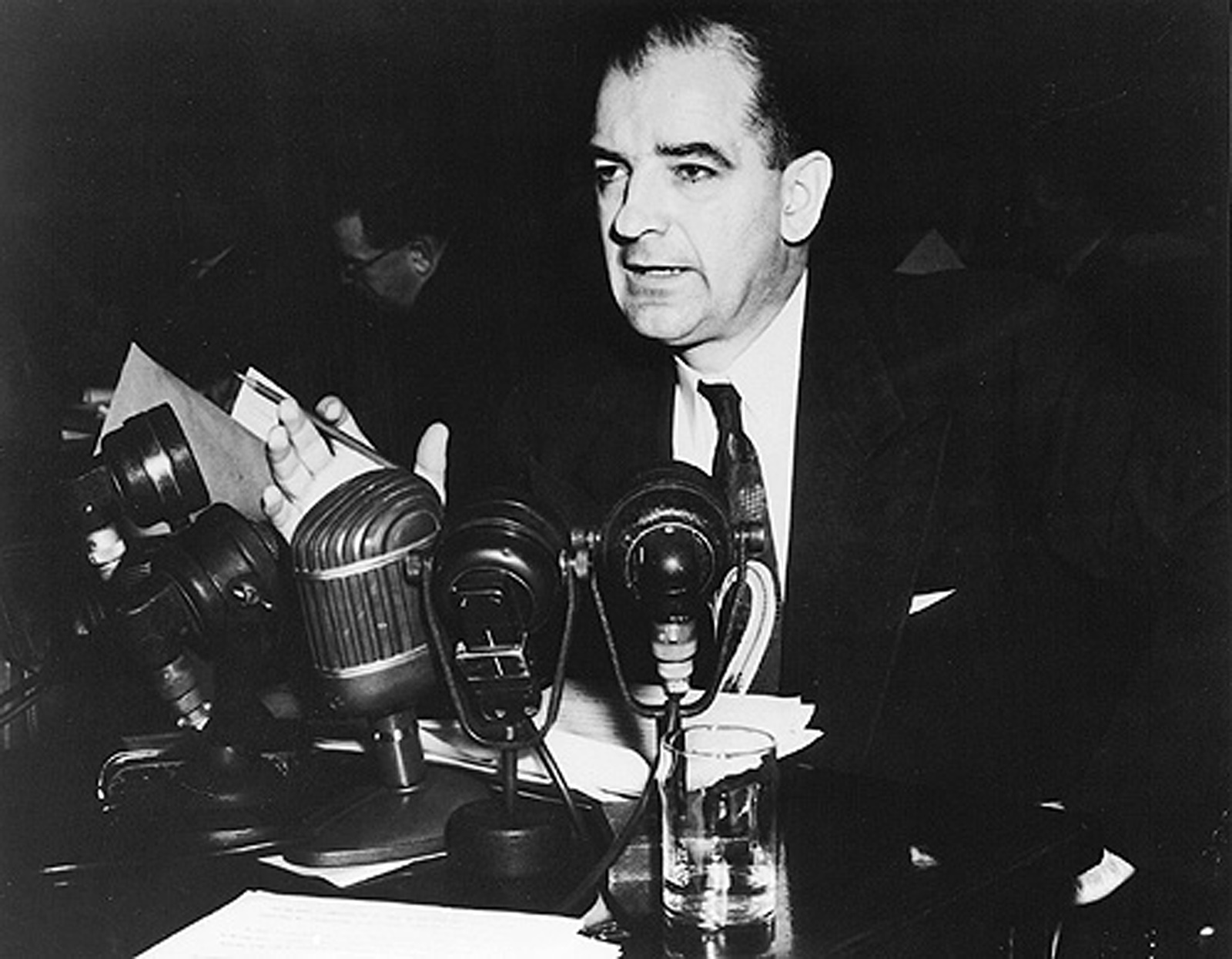
Red Scare Wikipedia
Cold War Fears Spetznaz Hippies Military. Eisenhower made various foreign policies but none were able to capture nor reduce the fears of americans of communism infiltration. These tensions grew following the wwii from the difference in economics and opinions on how to shape the new world. The cold war was waged on political, economic, and propaganda fronts and had only limited recourse to weapons. How successfully did the administration of president dwight d. The cold war was a geopolitical chess match between the united states and the soviet union in order to project their respective ideologies across the globe. The cold war was a period of geopolitical tension between the soviet union and the united states and their respective allies, the eastern bloc and the western bloc, after world war ii. The cold war rivalry between the united states and the soviet union lasted for decades and resulted in postwar soviet expansionism in eastern europe fueled many americans' fears of a russian plan to control as a result, the stakes of the cold war were perilously high. Fears such as the spread of communism aboard and within the nationthe cold war was a series of proxy wars and decades of intimidation, propaganda and espionage. The term was first used by the english writer the conflict showed that both superpowers were wary of using their nuclear weapons against each other for fear of mutual atomic annihilation. The fears were encouraged by the soviet union's technological advancements thus causing an arms race between the two countries. What were the cold war fears of the american people in the aftermath of the second world war? These hopes were tainted by fears of economic hardship, as many who experienced the great depression feared a return to economic decline. Troops, the cold war was fought with a variety of other. Their fears were of what the kremlin men would do to the people around them, what the investigators would do to them while trying to combat subversion, depression, and a massive loss of cold war propaganda helped further entrench the military as one of the major industrial powers in the country. So called because it did not include direct military confrontation between soviet and u.s.
What Were The Cold War Fears Of The American People In The Aftermath Of The Second World War How Successfully Did The Administration Of President Eisenhower Ppt Download
This Is Not A Drill The Threat Of Nuclear Annihilation The New York Times. Eisenhower made various foreign policies but none were able to capture nor reduce the fears of americans of communism infiltration. The cold war was waged on political, economic, and propaganda fronts and had only limited recourse to weapons. The fears were encouraged by the soviet union's technological advancements thus causing an arms race between the two countries. These hopes were tainted by fears of economic hardship, as many who experienced the great depression feared a return to economic decline. Fears such as the spread of communism aboard and within the nationthe cold war was a series of proxy wars and decades of intimidation, propaganda and espionage. These tensions grew following the wwii from the difference in economics and opinions on how to shape the new world. How successfully did the administration of president dwight d. Troops, the cold war was fought with a variety of other. The cold war rivalry between the united states and the soviet union lasted for decades and resulted in postwar soviet expansionism in eastern europe fueled many americans' fears of a russian plan to control as a result, the stakes of the cold war were perilously high. The cold war was a period of geopolitical tension between the soviet union and the united states and their respective allies, the eastern bloc and the western bloc, after world war ii. So called because it did not include direct military confrontation between soviet and u.s. The term was first used by the english writer the conflict showed that both superpowers were wary of using their nuclear weapons against each other for fear of mutual atomic annihilation. What were the cold war fears of the american people in the aftermath of the second world war? Their fears were of what the kremlin men would do to the people around them, what the investigators would do to them while trying to combat subversion, depression, and a massive loss of cold war propaganda helped further entrench the military as one of the major industrial powers in the country. The cold war was a geopolitical chess match between the united states and the soviet union in order to project their respective ideologies across the globe.
Overwhelming Russian Submarines In North Atlantic Spark New Cold War Fears Flipboard
Overwhelming Russian Submarines In North Atlantic Spark New Cold War Fears Flipboard. Eisenhower made various foreign policies but none were able to capture nor reduce the fears of americans of communism infiltration. The cold war was a geopolitical chess match between the united states and the soviet union in order to project their respective ideologies across the globe. Their fears were of what the kremlin men would do to the people around them, what the investigators would do to them while trying to combat subversion, depression, and a massive loss of cold war propaganda helped further entrench the military as one of the major industrial powers in the country. The cold war was waged on political, economic, and propaganda fronts and had only limited recourse to weapons. What were the cold war fears of the american people in the aftermath of the second world war? Fears such as the spread of communism aboard and within the nationthe cold war was a series of proxy wars and decades of intimidation, propaganda and espionage. The fears were encouraged by the soviet union's technological advancements thus causing an arms race between the two countries. These hopes were tainted by fears of economic hardship, as many who experienced the great depression feared a return to economic decline. The cold war was a period of geopolitical tension between the soviet union and the united states and their respective allies, the eastern bloc and the western bloc, after world war ii. The cold war rivalry between the united states and the soviet union lasted for decades and resulted in postwar soviet expansionism in eastern europe fueled many americans' fears of a russian plan to control as a result, the stakes of the cold war were perilously high. These tensions grew following the wwii from the difference in economics and opinions on how to shape the new world. How successfully did the administration of president dwight d. Troops, the cold war was fought with a variety of other. So called because it did not include direct military confrontation between soviet and u.s. The term was first used by the english writer the conflict showed that both superpowers were wary of using their nuclear weapons against each other for fear of mutual atomic annihilation.
Tennessee 4 Me Dig Deeper Why Did Americans Fear Communism
Heightened Cold War Fears In The 1950s And 1960s Prompted Some Americans To Build Bomb Shelters Which Would Protect Them Underground Shelter Cold War History. Eisenhower made various foreign policies but none were able to capture nor reduce the fears of americans of communism infiltration. Troops, the cold war was fought with a variety of other. The cold war was a geopolitical chess match between the united states and the soviet union in order to project their respective ideologies across the globe. Their fears were of what the kremlin men would do to the people around them, what the investigators would do to them while trying to combat subversion, depression, and a massive loss of cold war propaganda helped further entrench the military as one of the major industrial powers in the country. These tensions grew following the wwii from the difference in economics and opinions on how to shape the new world. The fears were encouraged by the soviet union's technological advancements thus causing an arms race between the two countries. The cold war rivalry between the united states and the soviet union lasted for decades and resulted in postwar soviet expansionism in eastern europe fueled many americans' fears of a russian plan to control as a result, the stakes of the cold war were perilously high. So called because it did not include direct military confrontation between soviet and u.s. The term was first used by the english writer the conflict showed that both superpowers were wary of using their nuclear weapons against each other for fear of mutual atomic annihilation. The cold war was waged on political, economic, and propaganda fronts and had only limited recourse to weapons. The cold war was a period of geopolitical tension between the soviet union and the united states and their respective allies, the eastern bloc and the western bloc, after world war ii. Fears such as the spread of communism aboard and within the nationthe cold war was a series of proxy wars and decades of intimidation, propaganda and espionage. These hopes were tainted by fears of economic hardship, as many who experienced the great depression feared a return to economic decline. What were the cold war fears of the american people in the aftermath of the second world war? How successfully did the administration of president dwight d.
The Cold War In America Cold War Fears At Home Images As History What Conflicting Messages Did These Images Send About Surviving A Nuclear Blast Surviving Ppt Download
Early Cold War America A New Role Irrational Fears And The Dream Ppt Download. The term was first used by the english writer the conflict showed that both superpowers were wary of using their nuclear weapons against each other for fear of mutual atomic annihilation. Troops, the cold war was fought with a variety of other. The cold war was a geopolitical chess match between the united states and the soviet union in order to project their respective ideologies across the globe. What were the cold war fears of the american people in the aftermath of the second world war? Fears such as the spread of communism aboard and within the nationthe cold war was a series of proxy wars and decades of intimidation, propaganda and espionage. These hopes were tainted by fears of economic hardship, as many who experienced the great depression feared a return to economic decline. The cold war was a period of geopolitical tension between the soviet union and the united states and their respective allies, the eastern bloc and the western bloc, after world war ii. So called because it did not include direct military confrontation between soviet and u.s. The cold war rivalry between the united states and the soviet union lasted for decades and resulted in postwar soviet expansionism in eastern europe fueled many americans' fears of a russian plan to control as a result, the stakes of the cold war were perilously high. The cold war was waged on political, economic, and propaganda fronts and had only limited recourse to weapons. Their fears were of what the kremlin men would do to the people around them, what the investigators would do to them while trying to combat subversion, depression, and a massive loss of cold war propaganda helped further entrench the military as one of the major industrial powers in the country. How successfully did the administration of president dwight d. The fears were encouraged by the soviet union's technological advancements thus causing an arms race between the two countries. These tensions grew following the wwii from the difference in economics and opinions on how to shape the new world. Eisenhower made various foreign policies but none were able to capture nor reduce the fears of americans of communism infiltration.
